LASER Therapy – Class IV

Advanced Laser Therapy for Pain Relief and Recovery

A non-invasive, drug-free treatment designed to help reduce pain, decrease inflammation, and support the body’s natural healing processes.

At Divine Care Physiotherapy in Langley, Class IV Laser Therapy is offered as part of an individualized treatment plan for a variety of musculoskeletal conditions. Because Class IV lasers deliver higher energy levels than many lower-powered therapeutic lasers, they are capable of reaching deeper tissues and may allow for efficient treatment of certain conditions.

Laser therapy is often combined with other rehabilitation approaches, including Manual Physiotherapy, exercise therapy, and other physiotherapy services to support recovery and improve overall function.

What Is Class IV Laser Therapy?

Laser therapy uses a process known as photobiomodulation, where light energy is delivered into tissues to stimulate cellular activity associated with the body’s natural healing processes.

The goal of treatment is to support:

  • Pain reduction
  • Inflammation management
  • Tissue healing
  • Circulation
  • Functional recovery

Class IV lasers deliver higher power levels than Class III therapeutic lasers, allowing light energy to penetrate deeper tissues.

Depending on the condition being treated, this may allow treatment to target structures located beneath the surface of the skin more effectively.

Because laser therapy is non-invasive, treatment does not involve:

  • Needles
  • Injections
  • Surgery
  • Medication

Many patients appreciate laser therapy as a conservative treatment option that can be integrated into a broader physiotherapy rehabilitation program.

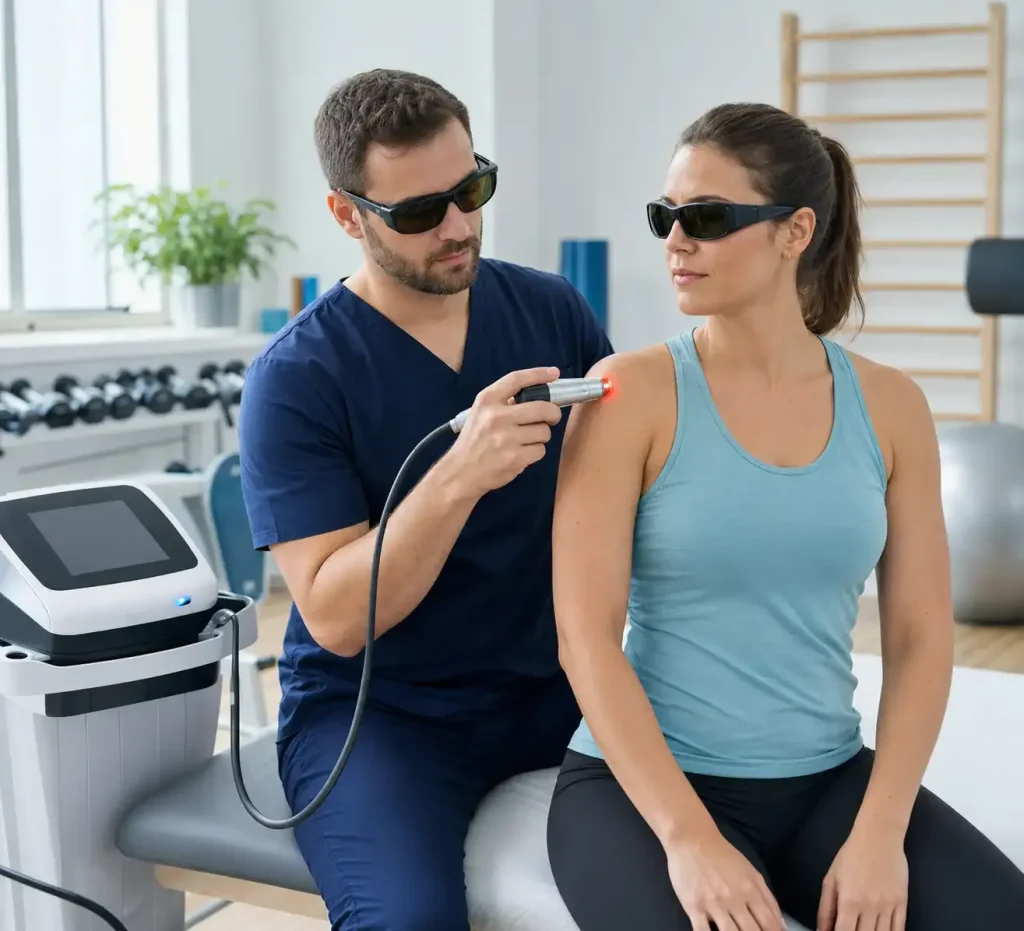
class-IV lasser therapy

How Does Laser Therapy Work?

Photobiomodulation refers to the interaction between light energy and living tissues.

When therapeutic laser energy is delivered to targeted tissues, it may influence biological processes associated with:

  • Cellular metabolism
  • Circulation
  • Tissue repair
  • Inflammatory responses
  • Pain modulation

Research continues to explore the precise mechanisms involved, and individual responses to treatment may vary.

Laser therapy is considered one component of a comprehensive rehabilitation strategy rather than a standalone solution for every condition.

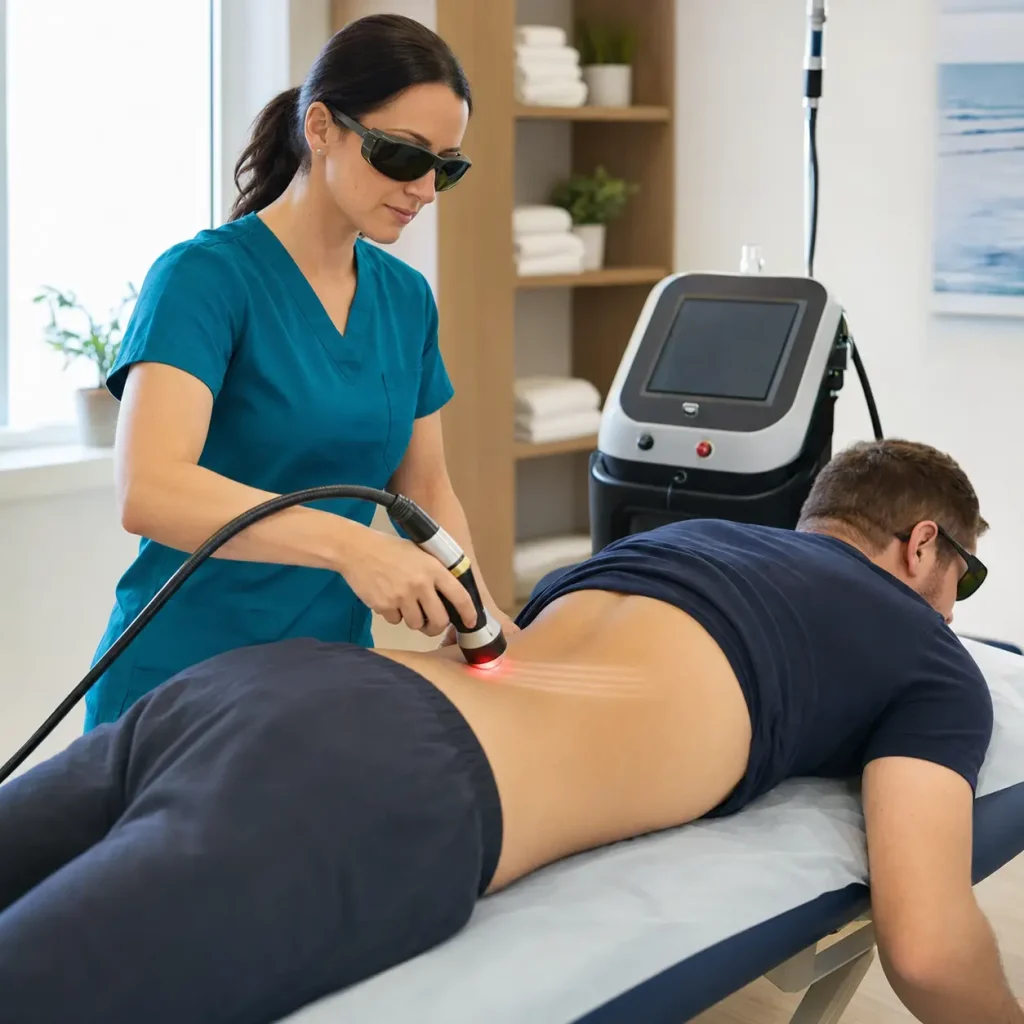
class-IV lasser therapy in langly

What to Expect During Treatment

Comfortable and Non-Invasive

Laser therapy is generally painless.

Most individuals experience:

  • No sensation
  • Mild warmth
  • Gentle soothing heat

Treatment does not involve needles or invasive procedures.

Short Treatment Sessions

Treatment duration varies depending on:

  • The condition being treated
  • Size of the treatment area
  • Depth of the target tissue
  • Stage of recovery

Many sessions are relatively brief and can often be incorporated into a regular physiotherapy appointment.

No Downtime

Following treatment, patients can generally return to normal daily activities immediately unless otherwise advised by their physiotherapist.

Your physiotherapist may provide activity recommendations based on your specific condition and rehabilitation goals.

Benefits May Build Over Time

Responses to treatment vary between individuals.

Some people notice changes early in their treatment program, while others experience gradual improvement over multiple sessions.

Your physiotherapist will discuss realistic expectations based on your condition and assessment findings.

Conditions That May Be Treated With Class IV Laser Therapy

Laser therapy may be considered for a wide range of musculoskeletal conditions depending on individual assessment findings.

Ligament Injuries, Sprains, and Strains

Laser therapy may be incorporated into treatment plans for:

  • Ligament injuries
  • Muscle strains
  • Soft tissue sprains
  • Partial tears

Because these injuries often involve movement limitations and functional deficits, treatment may also incorporate Manual Physiotherapy and exercise-based rehabilitation strategies to help restore mobility and function.

Rotator Cuff Injuries

Rotator cuff conditions may involve:

  • Shoulder pain
  • Weakness
  • Reduced mobility
  • Difficulty lifting the arm

Laser therapy may be considered as one component of a broader rehabilitation plan designed to improve shoulder function and recovery.

Knee Injuries

Laser therapy may be used as part of rehabilitation programs for conditions such as:

  • MCL injuries
  • ACL injuries
  • Meniscus injuries
  • Patellofemoral pain syndrome

Treatment recommendations depend on the nature of the injury, symptoms, and rehabilitation goals.

Tennis Elbow and Golfer's Elbow

These tendon-related conditions can cause:

  • Elbow pain
  • Reduced grip strength
  • Difficulty with repetitive activities

Laser therapy may be incorporated into treatment plans alongside strengthening exercises and rehabilitation strategies designed to address the underlying causes of symptoms.

Achilles Tendinopathy

Achilles tendon injuries and chronic tendon irritation can affect:

  • Walking
  • Running
  • Sports participation
  • Daily activities

Treatment plans may include laser therapy, exercise progression, and other physiotherapy approaches depending on individual needs.

Osteoarthritis

Laser therapy may be considered for some individuals experiencing symptoms associated with:

  • Hip osteoarthritis
  • Knee osteoarthritis
  • Joint-related pain and stiffness

Treatment is typically combined with movement-based rehabilitation and physiotherapy interventions designed to improve function and quality of life.

Chronic Neck and Back Pain

Persistent neck and back pain often involve multiple contributing factors including:

  • Joint dysfunction
  • Muscle tension
  • Reduced mobility
  • Movement impairments

For these conditions, laser therapy may be incorporated alongside Manual Physiotherapy techniques to help address both symptoms and functional limitations.

Tendinopathy and Chronic Tendon Conditions

Class IV Laser Therapy is commonly incorporated into rehabilitation programs for chronic tendon-related conditions, including:

  • Tendinitis
  • Tendinopathy
  • Tendinosis
  • Chronic overuse injuries

These conditions may affect:

  • The Achilles tendon
  • Patellar tendon
  • Rotator cuff tendons
  • Elbow tendons

Depending on the condition and stage of healing, laser therapy may be used alongside Shockwave Therapy and progressive exercise programs as part of a comprehensive rehabilitation plan.

Myofascial and Muscular Pain

Laser therapy may also be considered for individuals experiencing:

  • Muscle tension
  • Myofascial pain
  • Chronic soft tissue discomfort
  • Trigger point-related symptoms

Because muscular pain often involves multiple contributing factors, treatment may be integrated with IMS / Dry Needling and other physiotherapy approaches when clinically appropriate.

Neuropathic Pain

Some patients experiencing nerve-related pain symptoms may be candidates for laser therapy as part of a broader treatment strategy.

Suitability depends on:

  • Medical history
  • Assessment findings
  • Diagnosis
  • Individual response to treatment

Your physiotherapist will determine whether laser therapy may be appropriate for your specific condition.

Is Class IV Laser Therapy Safe?

Class IV Laser Therapy is non-invasive and generally well tolerated when administered by trained healthcare professionals.

Treatment does not involve:

  • Needles
  • Medication
  • Injections
  • Surgical procedures

Most individuals experience little to no discomfort during treatment.

Some patients report:

  • Mild warmth
  • A soothing sensation
  • Temporary awareness of heat over the treatment area

Your physiotherapist will assess your condition and determine whether laser therapy is appropriate before treatment begins.

Does Laser Therapy Hurt?

No.

Most people find laser therapy comfortable and painless.

Unlike injections or invasive procedures, laser therapy simply delivers therapeutic light energy to targeted tissues.

Depending on the treatment area, you may notice:

  • Gentle warmth
  • Mild heat
  • No sensation at all

Treatment intensity is adjusted according to the area being treated and your comfort level.

How We Use Laser Therapy in Your Treatment Plan

At Divine Care Physiotherapy, laser therapy is rarely used as a standalone treatment.

Instead, it is integrated into a comprehensive rehabilitation plan designed around your condition, goals, and assessment findings.

Depending on your needs, treatment may be combined with:

Manual Physiotherapy

Hands-on treatment approaches may be used to address:

  • Joint restrictions
  • Soft tissue dysfunction
  • Mobility limitations
  • Movement impairments

Combining Manual Physiotherapy with laser therapy may help support symptom management while addressing functional contributors to pain.

IMS / Dry Needling

For individuals experiencing muscular tension, trigger points, or chronic muscle-related pain, IMS / Dry Needling may be considered alongside laser therapy when clinically appropriate.

These treatment approaches target different aspects of musculoskeletal dysfunction and may be used together as part of a broader rehabilitation strategy.

Shockwave Therapy

Certain chronic tendon conditions may benefit from a combination of rehabilitation approaches.

Depending on the diagnosis and stage of recovery, your physiotherapist may determine whether Shockwave Therapy, laser therapy, or a combination of both is appropriate for your condition.

Treatment recommendations are always individualized and based on assessment findings.

Exercise and Rehabilitation

Long-term recovery often requires more than symptom management alone.

Laser therapy may be integrated with:

  • Strengthening exercises
  • Mobility training
  • Functional rehabilitation
  • Return-to-activity programs
  • Injury prevention strategies

These approaches help address the underlying factors contributing to symptoms while supporting lasting recovery.

Why Choose Divine Care Physiotherapy for Laser Therapy?

Advanced Class IV Laser Technology

Class IV laser systems deliver higher power levels than many lower-powered therapeutic lasers, allowing treatment to target deeper tissue structures.

This makes laser therapy a valuable addition to rehabilitation programs for a variety of musculoskeletal conditions.

Individualized Treatment Plans

Every patient presents with unique symptoms, goals, and recovery needs.

Your physiotherapist will assess:

  • Your condition
  • Medical history
  • Functional limitations
  • Recovery goals

before determining whether laser therapy is appropriate and how it should be incorporated into your treatment plan.

Integrated Rehabilitation Approach

At Divine Care Physiotherapy, treatment focuses on addressing both symptoms and the factors contributing to them.

Depending on your needs, laser therapy may be incorporated alongside:

  • Manual Physiotherapy
  • IMS / Dry Needling
  • Shockwave Therapy
  • Exercise therapy
  • Functional rehabilitation

This integrated approach helps support a more comprehensive recovery process.

Do I Need a Doctor's Referral?

No.

A doctor’s referral is generally not required to book an appointment at Divine Care Physiotherapy.

If your physiotherapist identifies concerns that require medical evaluation, appropriate follow-up recommendations will be provided.

The number of sessions varies depending on:

  • The condition being treated
  • Severity of symptoms
  • Duration of symptoms
  • Tissue involved
  • Individual response to treatment

Following your assessment, your physiotherapist will recommend a treatment plan tailored to your needs and goals.

No.

Most people experience little to no discomfort during treatment.

Many individuals report only a mild warming sensation.

Treatment duration depends on:

  • Treatment area size
  • Tissue depth
  • Nature of the condition

Many laser therapy treatments are relatively brief and can be incorporated into a regular physiotherapy appointment.

Yes.

Laser therapy is frequently incorporated into broader rehabilitation programs.

Depending on your condition, it may be combined with:

  • Manual Physiotherapy
  • IMS / Dry Needling
  • Shockwave Therapy
  • Exercise therapy
  • Functional rehabilitation

Your physiotherapist will recommend the most appropriate combination of treatments based on your assessment findings.

Laser therapy is generally well tolerated.

Most patients experience no significant side effects.

Your physiotherapist will review your medical history and determine whether laser therapy is appropriate for your condition before beginning treatment.

Frequently Asked Questions

Ready to Accelerate Your Recovery?

Book Your Laser Therapy Assessment Today

Scroll to Top