
Musculoskeletal Physiotherapy for Pain, Injury & Better Movement
Musculoskeletal physiotherapy focuses on problems affecting your muscles, joints, bones, tendons and ligaments. At Divine Care Physiotherapy in Langley, your treatment starts with an assessment and is built around your symptoms, movement, function and recovery goals.
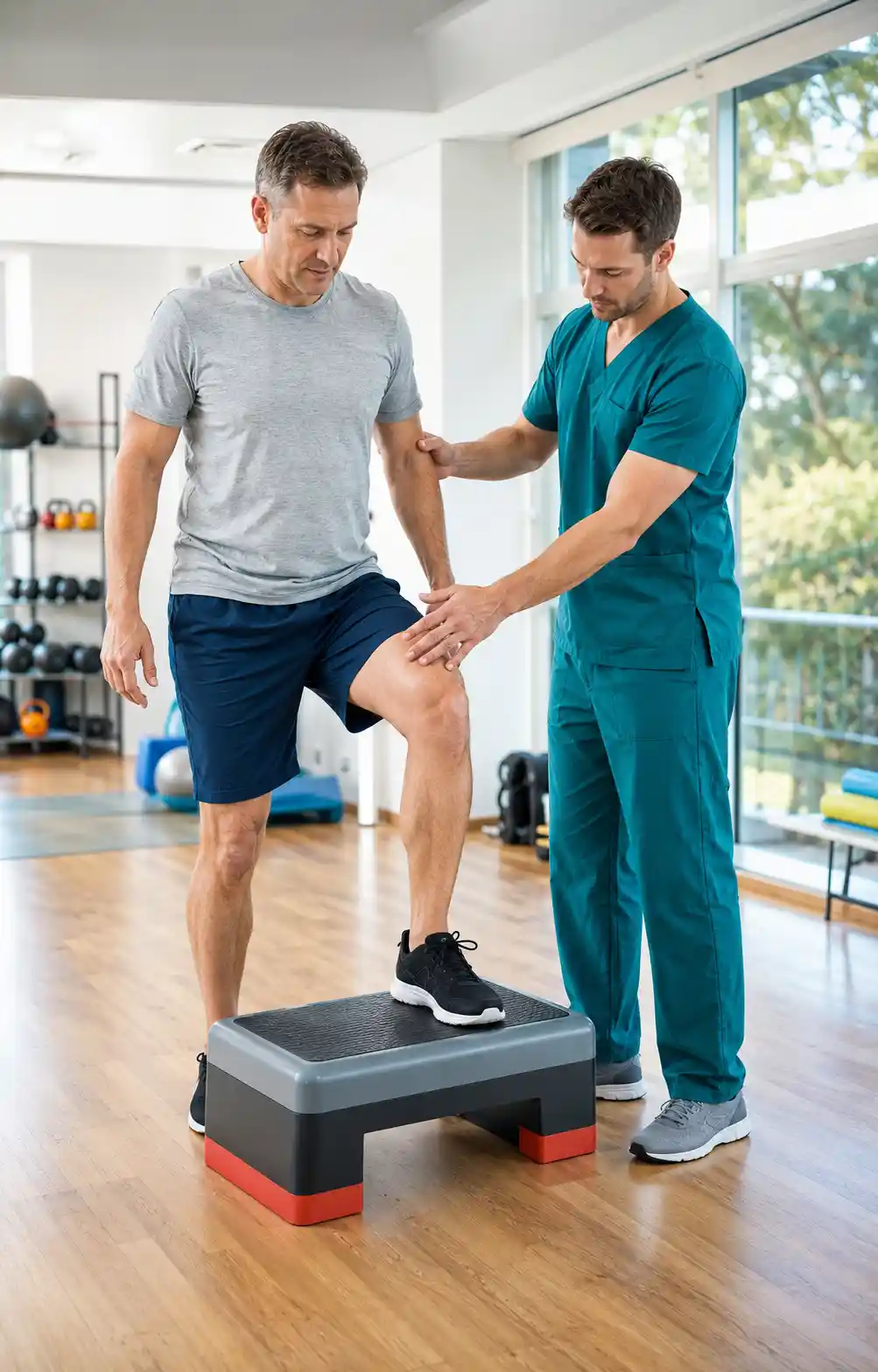
What is musculoskeletal physiotherapy?
It is a branch of physiotherapy focused on conditions affecting the musculoskeletal system — including muscles, joints, tendons, ligaments and related movement structures.
Move beyond simply treating the painful area.
Pain can affect how you walk, work, exercise, sleep or perform everyday activities. A musculoskeletal physiotherapy assessment looks at the broader picture — including movement, strength, mobility, function and the factors that may be contributing to your problem.
Depending on your assessment and goals, your physiotherapy plan may combine hands-on treatment, therapeutic exercise, active rehabilitation and selected treatment modalities.
Physiotherapy for common muscle, joint & movement problems
Musculoskeletal physiotherapy can be used for a wide range of injuries, pain conditions and movement problems. Your physiotherapist will determine whether this approach is appropriate after assessment.
Back Pain & Sciatica
Assessment and rehabilitation for low back pain, radiating symptoms and movement limitations.
Neck Pain
Physiotherapy for neck stiffness, restricted movement and muscular tension.
Shoulder & Rotator Cuff
Support for shoulder pain, weakness, reduced mobility and rotator cuff-related injuries.
Knee & Hip Problems
Rehabilitation for joint pain, sports injuries, tendon problems and post-operative recovery.
Sprains, Strains & Ligament Injuries
Progressive rehabilitation following appropriate assessment of soft-tissue and ligament injuries.
Tendon Problems
Rehabilitation for conditions such as tendinitis, tendinopathy, tendinosis and Achilles problems.
Tennis & Golfer's Elbow
Assessment and exercise-based rehabilitation for elbow pain affecting daily or sporting activity.
Osteoarthritis
Movement, strengthening and functional rehabilitation for appropriate hip and knee osteoarthritis presentations.
Post-Injury & Post-Surgical Rehab
Structured rehabilitation to help restore mobility, strength and function after appropriate procedures or injuries.
Your treatment can change as you recover.
There is no single treatment that suits every musculoskeletal condition. Your physiotherapist may combine different approaches according to your assessment findings, symptoms, stage of recovery and functional goals.
Manual Physiotherapy
Hands-on techniques may be used to address joint stiffness, soft-tissue restrictions and movement limitations.
Explore Manual Physiotherapy →Exercise & Active Rehab
Progressive exercise can help develop strength, mobility, balance and functional capacity.
Explore Active Rehabilitation →Sports Physiotherapy
Rehabilitation for athletes and active people working toward a safe return to their activities.
Explore Sports Physiotherapy →Shockwave Therapy
A treatment modality that may be considered for selected persistent musculoskeletal and tendon-related conditions.
Explore Shockwave Therapy →Class IV Laser
A non-invasive modality that may be incorporated into a broader rehabilitation plan when appropriate.
Explore Class IV Laser →IMS & Dry Needling
Needle-based techniques may be considered for selected muscle-related conditions and pain presentations.
Explore IMS & Dry Needling →Taping
Kinesio or athletic taping may provide additional support as part of an appropriate treatment and rehabilitation plan.
Explore Taping →Acupuncture
Acupuncture may be incorporated into care when appropriate to the patient's presentation and treatment plan.
Explore Acupuncture →From understanding the problem to rebuilding function.
A good rehabilitation plan should make sense to you. The goal is to understand your condition, choose appropriate treatment and adjust your rehabilitation as you progress.
Understand the problem
Discuss your symptoms, injury history, activities and functional goals while your physiotherapist assesses relevant movement and function.
Build your treatment plan
Your clinician explains the findings and identifies appropriate treatment and rehabilitation strategies.
Restore movement
Treatment and progressive exercises can work together to improve mobility, strength and functional capacity.
Adapt as you improve
Your program can change as your symptoms, strength, movement and activity goals change.

Care that connects assessment with action.
Musculoskeletal rehabilitation is not only about reducing symptoms. It is also about helping you understand your condition and giving you practical steps to work toward better movement and function.
Looking for a more specific treatment?
Musculoskeletal physiotherapy often overlaps with other rehabilitation services. Explore the area that best matches your needs.
Musculoskeletal Physiotherapy in Langley
What does musculoskeletal physiotherapy treat?
Musculoskeletal physiotherapy can be used for a range of muscle, joint, tendon and ligament problems, including back and neck pain, sprains, strains, knee and shoulder injuries, tendinopathy, sciatica and appropriate post-surgical rehabilitation.
Do I need a doctor's referral for physiotherapy?
A doctor's referral is generally not required to begin physiotherapy at Divine Care. However, some extended health benefit plans may have their own documentation or referral requirements.
How many physiotherapy sessions will I need?
There is no fixed number of sessions for every condition. The frequency and duration of treatment depend on your symptoms, injury, progress, activity level and rehabilitation goals.
Can physiotherapy help with sports injuries?
Yes. Divine Care provides sports physiotherapy for recreational, competitive and youth athletes, with rehabilitation focused on restoring function and progressing toward return to activity.
Can musculoskeletal physiotherapy help after surgery?
Physiotherapy may form an important part of rehabilitation after appropriate orthopaedic or musculoskeletal procedures. Your plan depends on the procedure, recovery stage and clinical assessment.
What happens during my first physiotherapy appointment?
Your physiotherapist will discuss your symptoms and relevant history, assess movement and function, explain the findings and recommend an appropriate treatment and rehabilitation approach.
Ready to understand what is causing your movement problem?
Start with a physiotherapy assessment at Divine Care Physiotherapy in Thunderbird Village, Langley. Your assessment can help identify the appropriate next step for treatment and rehabilitation.