
Neck Pain Treatment in Langley
Individualized physiotherapy for neck pain, stiffness, reduced movement, headaches, muscle tension and symptoms that may extend into the shoulder or arm.

Neck Pain Can Affect Much More Than Your Neck
Neck pain can make everyday activities such as turning your head, working at a desk, driving, sleeping or exercising uncomfortable. Symptoms can range from local soreness and stiffness to pain that travels toward the shoulder, arm or upper back.
Common contributors include prolonged desk or screen work, awkward sleeping positions, muscle strain, whiplash, age-related changes in the cervical spine and some disc or nerve-related conditions. More than one factor can contribute at the same time.
At Divine Care Physiotherapy, the goal of the initial assessment is to understand your symptoms and identify the physical factors that may be contributing to your movement limitations.

Why Does My Neck Hurt?
Neck pain can have several possible contributors. Your physiotherapist will consider your history and physical findings rather than assuming a single cause.
Desk & Screen Work
Long periods in one position can contribute to neck and shoulder muscle fatigue, stiffness and discomfort.
Whiplash
A motor vehicle collision can cause neck pain, stiffness, headaches and movement limitations.
Muscle Strain
Sport, lifting, repetitive activity or sudden movement can overload muscles around the neck and shoulders.
Neck Pain Can Present in Different Ways
Your symptoms help guide the assessment. Tell your physiotherapist what you feel, where you feel it and which activities make it better or worse.
Local Neck Pain
Aching, sharp or persistent discomfort around the cervical spine or surrounding muscles.
Stiffness
Difficulty turning, looking up or down, or maintaining comfortable neck movement.
Headaches
Headaches that may be associated with neck stiffness or muscular tension can be assessed as part of the overall presentation.
Shoulder & Arm Pain
Pain can sometimes extend from the neck toward the shoulder, upper back or arm.
Tingling or Numbness
Changes in sensation may indicate nerve involvement and should be discussed during your assessment.
Muscle Tightness
Persistent tightness or protective muscle guarding can affect movement and daily comfort.
Whiplash & Motor Vehicle Accident Recovery
Whiplash can occur after a sudden acceleration-deceleration movement of the head and neck, including some motor vehicle collisions. Symptoms may include neck pain, stiffness, headaches and reduced movement.
Physiotherapy rehabilitation can focus on gradually restoring comfortable movement, physical capacity and function. The appropriate pace depends on your symptoms and assessment findings.
If your neck symptoms began after a collision, Divine Care can also discuss the relevant ICBC rehabilitation pathway and coverage requirements.
A Combination of Treatment & Active Rehabilitation
There is no single technique that is appropriate for every neck condition. Treatment is selected after assessment and can change as your symptoms and function improve.
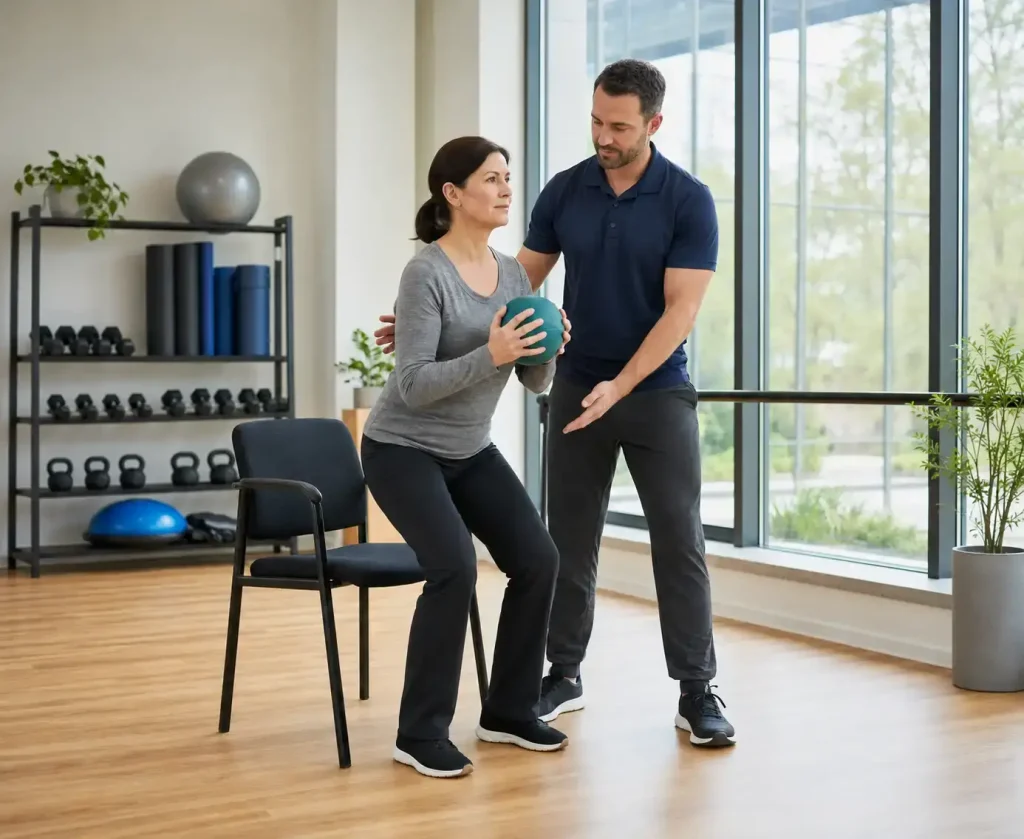
Your Treatment Plan Should Match Your Daily Life
Neck pain can be influenced by the things you do repeatedly: working at a computer, looking down at a phone, driving, lifting, exercising or sleeping.
That is why rehabilitation should consider your actual activities rather than focusing only on the painful area.
- Workstation and desk habits
- Driving posture and tolerance
- Sleep position and comfort
- Sport and exercise demands
- Lifting and occupational activities
- Daily movement and functional goals
When Neck Pain Needs Medical Attention First
Most neck pain can be assessed in a physiotherapy setting, but certain symptoms require prompt medical evaluation rather than routine physiotherapy.
Seek urgent medical care if neck pain is accompanied by:
- Sudden or progressive weakness or significant loss of sensation in an arm or leg
- Loss of bladder or bowel control
- A sudden, severe or unusual headache
- New dizziness, double vision, difficulty speaking or difficulty swallowing
- Fever or significant systemic illness together with severe neck stiffness
- Severe neck pain immediately following a significant fall, collision or blow to the head
If you are unsure whether your symptoms require urgent medical care, seek advice from an appropriate medical professional.
What to Expect at Your Neck Pain Assessment
Discuss Your Symptoms
Review when the pain began, what affects it, relevant history and the activities you want to return to.
Assess Movement
Examine neck and upper-body movement, strength, posture and other relevant physical findings.
Explain the Findings
Understand the factors that may be contributing to your symptoms and movement limitations.
Start Your Plan
Begin an individualized combination of treatment, exercise, education and home recommendations where appropriate.
Neck Pain Treatment Can Work Alongside Other Services
Some neck problems overlap with shoulder, upper-back, headache, postural or broader musculoskeletal issues. When appropriate, Divine Care can integrate related services into your rehabilitation plan.
Neck Pain Treatment Questions
Can physiotherapy help neck pain?
Physiotherapy can be used to assess and manage many mechanical and musculoskeletal causes of neck pain. Depending on your assessment, treatment may include manual therapy, exercise, education and a home program.
How many sessions will I need for neck pain?
There is no fixed number of sessions for everyone. Treatment needs depend on the cause, duration and severity of symptoms, your response to treatment and your functional goals. Your physiotherapist can discuss a more individualized plan after assessment.
Can physiotherapy help whiplash after a car accident?
Physiotherapy may be part of rehabilitation after whiplash or a motor vehicle accident. Treatment can focus on gradually restoring movement, strength and function according to your symptoms and assessment findings.
Can neck pain cause headaches?
Neck-related musculoskeletal problems can be associated with some headache presentations. Your physiotherapist can assess your neck movement, muscle function and other relevant factors to determine whether they may be contributing.
What if I have tingling or numbness in my arm?
Tingling or numbness can sometimes indicate nerve involvement. Tell your physiotherapist about any sensory changes so they can determine whether physiotherapy is appropriate or whether further medical assessment is needed.
Do I need a doctor's referral?
A doctor's referral is generally not required to book physiotherapy at Divine Care. Some insurance plans or injury claims may have their own documentation requirements.
Can neck pain from sleeping wrong be treated with physiotherapy?
Yes. A stiff or painful neck after sleeping in an awkward position can often be assessed by a physiotherapist. Treatment may include appropriate hands-on care, movement exercises and advice for returning to normal activity.
Is neck pain treatment covered by ICBC or WorkSafeBC?
Coverage depends on the approved claim and applicable services. Divine Care provides physiotherapy for relevant ICBC and WorkSafeBC claims, and the clinic can help clarify the documentation and coverage pathway for your situation.
Ready to Get Your Neck Moving More Comfortably?
If neck pain, stiffness, headaches or radiating symptoms are affecting work, sleep, driving, exercise or everyday activities, book an assessment at Divine Care Physiotherapy in Langley.
Neck Pain Treatment in Langley
D109 – 20159 88 Ave (Thunderbird Village), Langley, BC V1M 0A4.